Smoked Brisket Recipe: How to Smoke Brisket on the Big Green Egg
The Big Green Egg. It’s a name that conjures images of backyard barbecues, mouthwatering feasts, and perfectly smoked meats. And when it comes to smoking brisket, the BGE reigns supreme. But tackling a brisket can be intimidating, even for seasoned Eggheads. Fear not! This comprehensive guide for smoking brisket will walk you through the process, from selecting the perfect brisket to achieving that coveted smoke ring and bark for your Smoked Brisket.
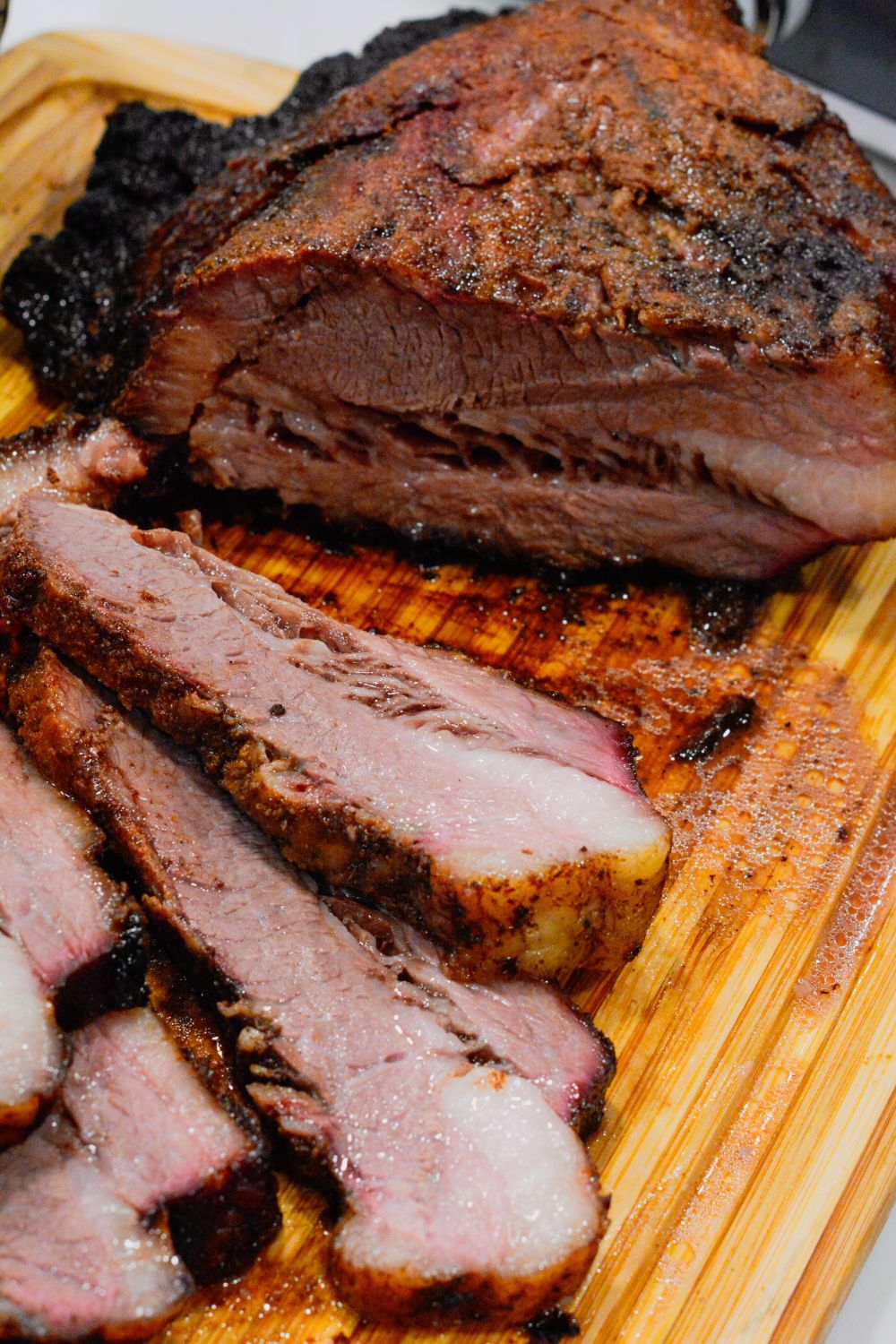

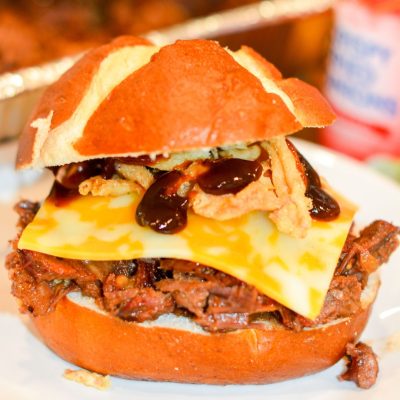
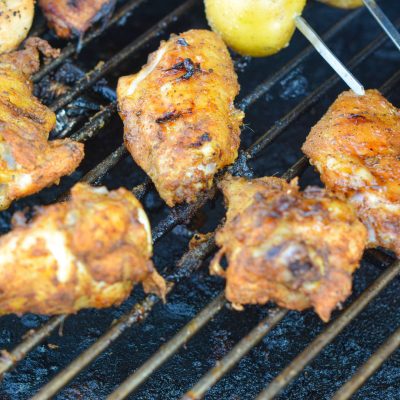
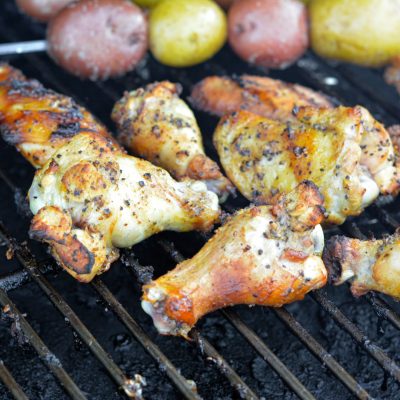
Smoking food on our Big Green Egg is a normal occurrence around here. We have smoked pork for pulled pork, smoked honey garlic wings, smoked beef chuck roast, and the bacon and jalapeno smoked beef roast for cowboy sandwiches, and smoked pork chops on the BGE. After going to Austin, Texas, multiple times, we have perfected the Texas-style brisket at home.
What You’ll Need:
- A Big Green Egg: Of course! Any size will do, but a Large or XL offers more space and temperature stability.
- A quality brisket: Look for a whole packer brisket (point and flat) with good marbling.
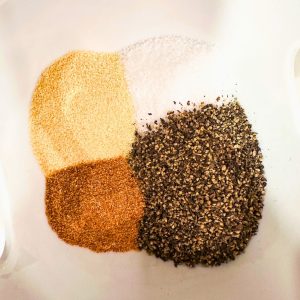
- Your favorite BBQ rub: Or you can make the ultimate brisket rub with a simple blend of salt, pepper, onion powder, and garlic powder that works wonders.
- Meat thermometer: Essential for monitoring internal temperature.
- Smoking wood chunks: Hickory, oak, and mesquite are popular choices for brisket.
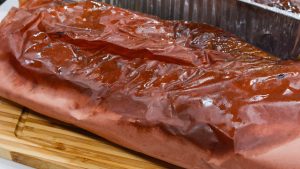
- Butcher paper: For wrapping the brisket during the stall. This is the peach butcher paper I am using.
- Aluminum foil: For resting the brisket after cooking. You can also just keep it in the peach paper.
- Cooler: I rest all of my smoked meats in a cooler. Here is the one I use the most.
Ingredients for the Best Brisket Rub
Smoking a brisket is a rite of passage for any Big Green Egg owner. But before you embark on this culinary adventure, you need a rub that will elevate your brisket to legendary status. Forget those store-bought concoctions with their mile-long ingredient lists. This simple, yet incredibly flavorful rub, featuring just salt, pepper, onion powder, and garlic powder, will have your taste buds singing.
Why This Rub Works:
- Garlic Powder: Provides a savory note that complements the smoky flavor.
- Toasted Onion Powder: deep, savory, and slightly caramelized onion flavor to beef, enhancing its richness without adding any moisture.
- Salt: Enhances the beef’s natural flavor and helps retain moisture.
- Pepper: Adds a bit of heat and depth.
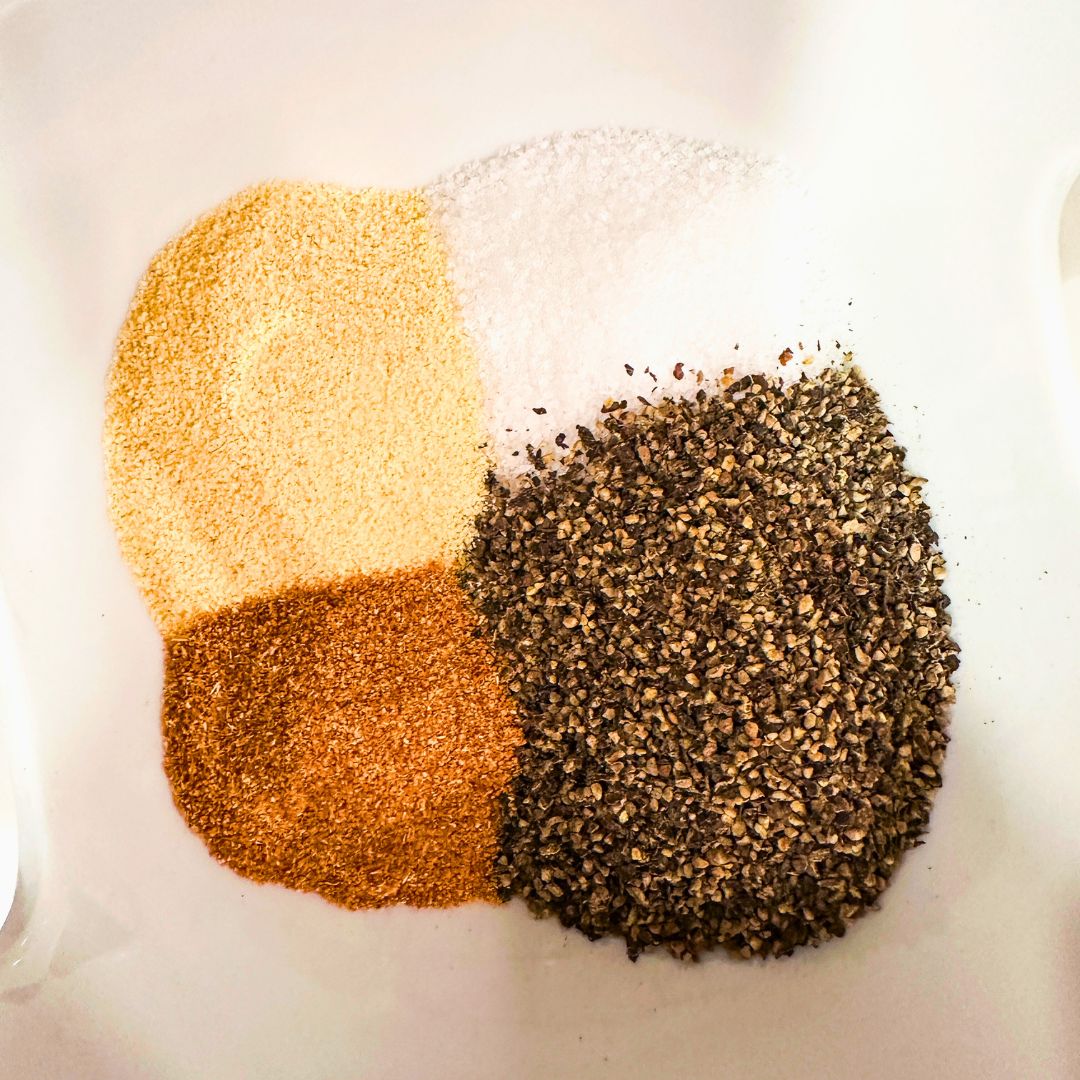
- 1/2 cup kosher salt
- 1/3 cup coarsely ground black pepper
- 1/3 cup garlic powder
- 1/3 cup onion powder
Instructions for How to Smoke a Brisket on the Big Green Egg
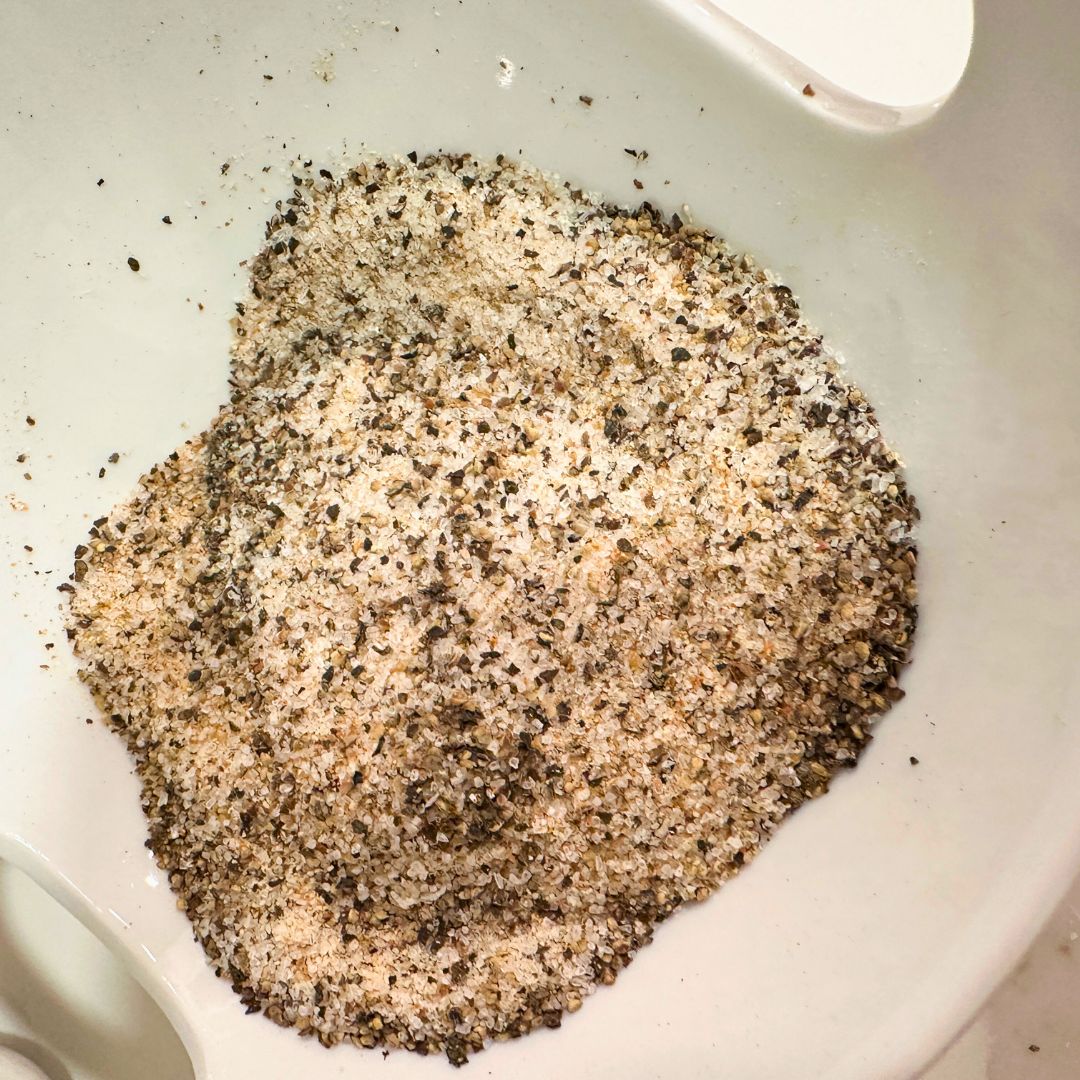
Start by prepping the rub if you are making your own rub. In a small bowl, whisk together the salt, pepper, onion powder, and garlic powder until well combined.
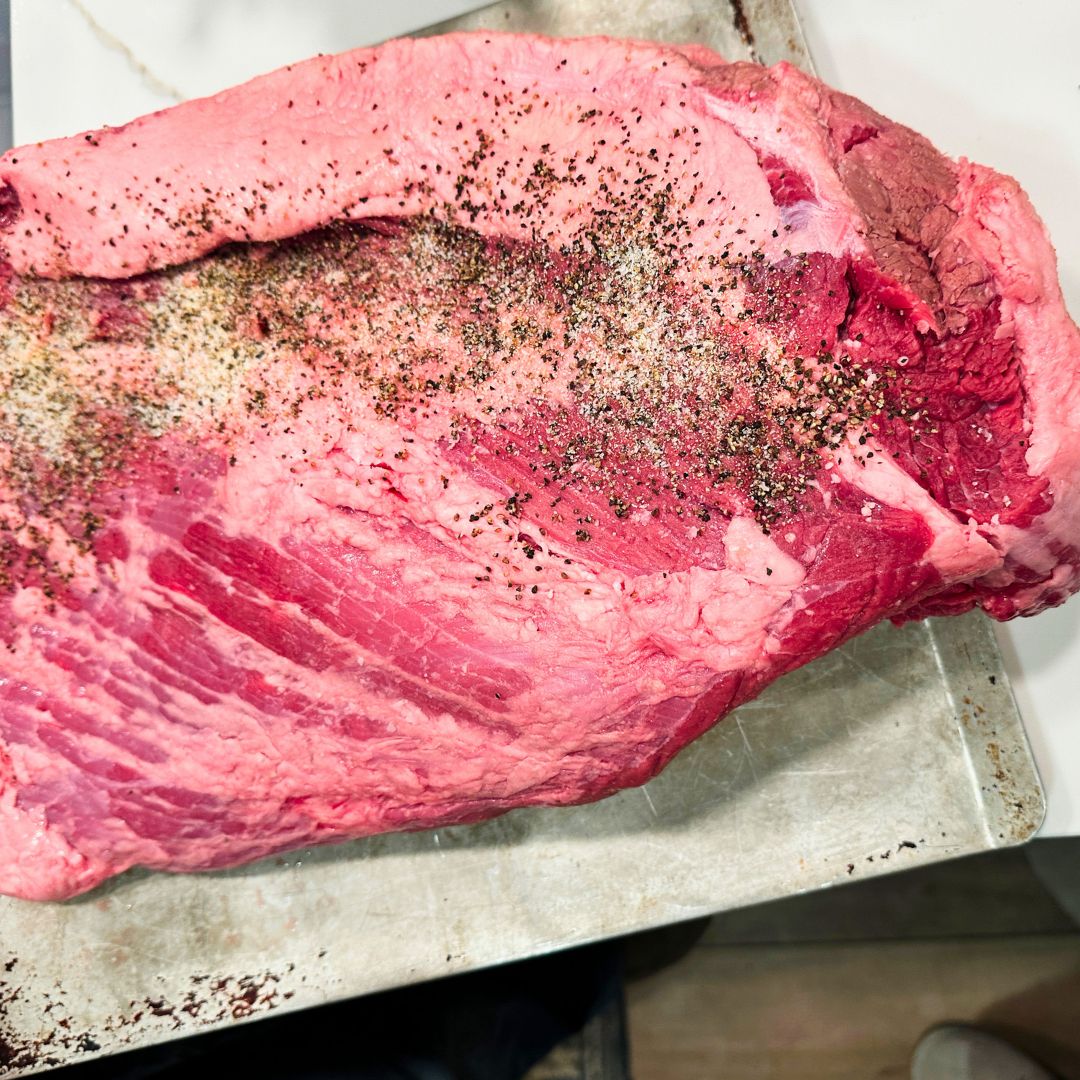
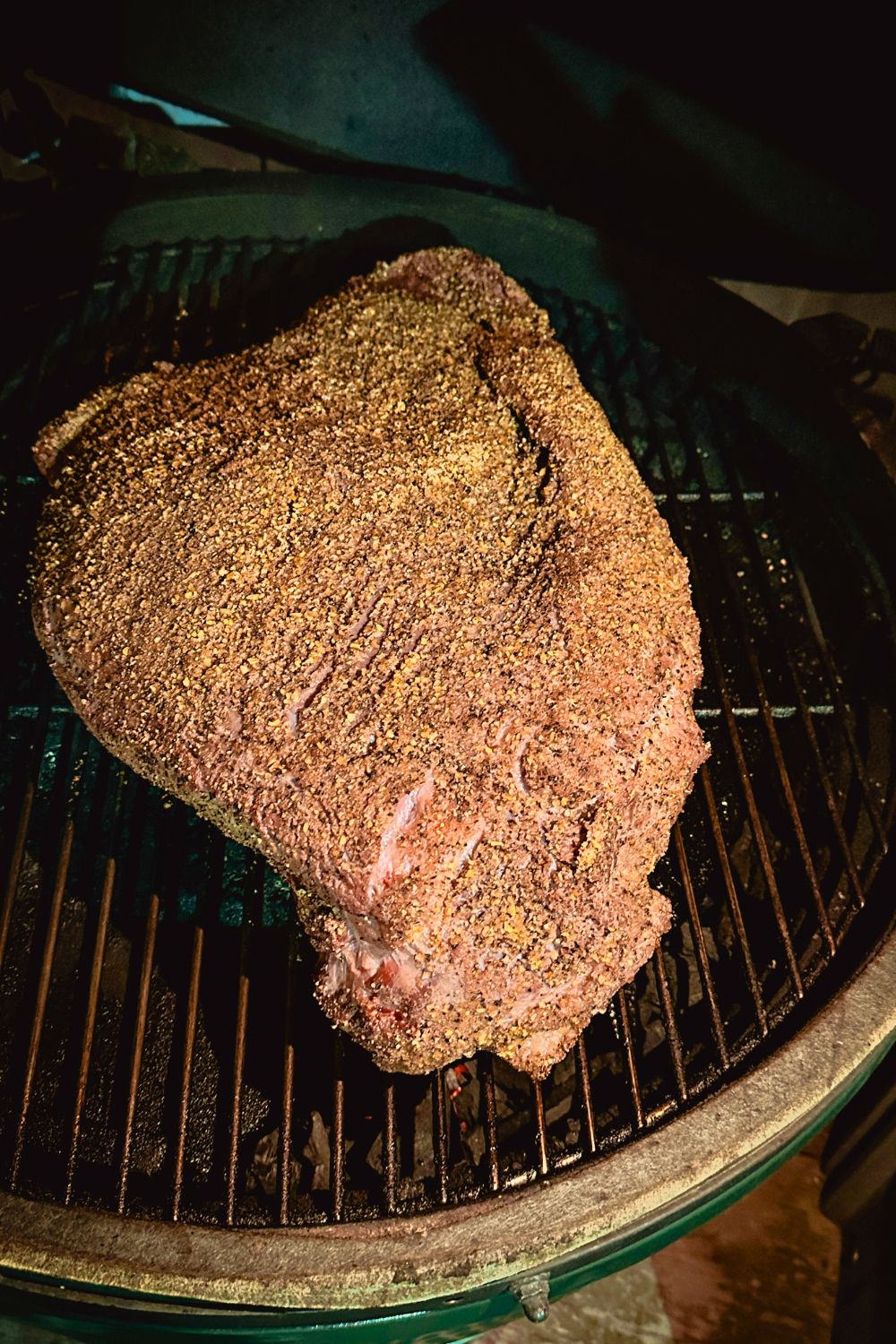
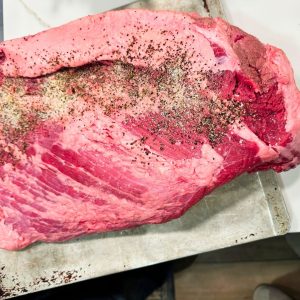
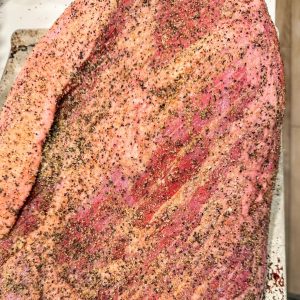
- Step 1: Trimming the Brisket & Seasoning it – Trim excess fat, leaving about ¼ inch. This allows the smoke to penetrate and the fat to render, keeping the meat moist. Generously apply your BBQ rub all over the brisket, ensuring even coverage.
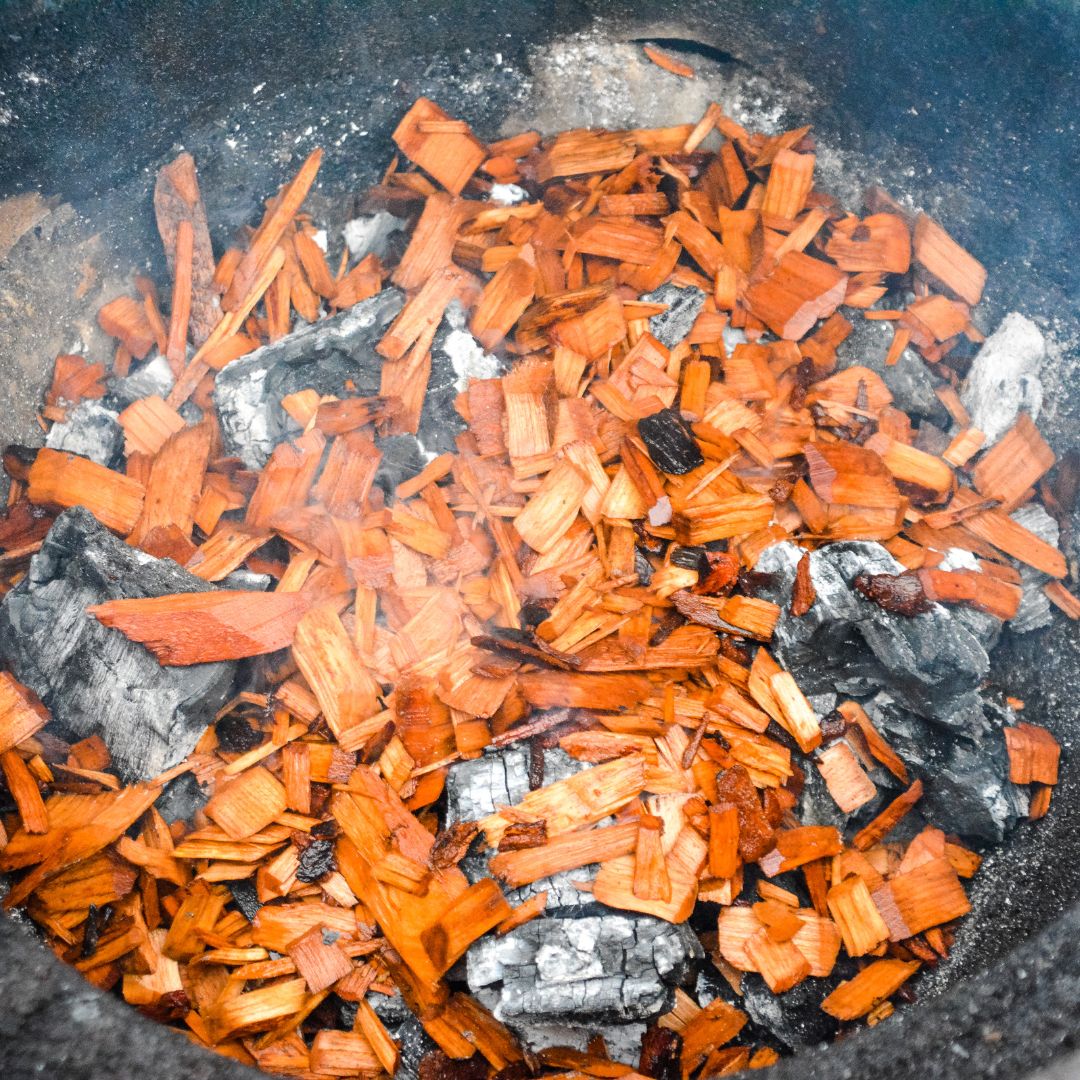
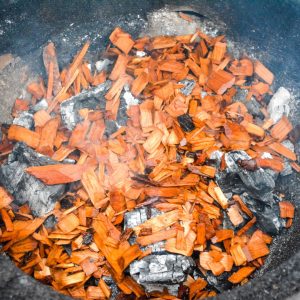
- Step 2: Preparing the Big Green Egg – Set up your BGE for indirect cooking using the plate setter (legs up). Aim for a consistent temperature of 250°F (121°C). Add your chosen wood chunks to the charcoal for a smoky flavor.
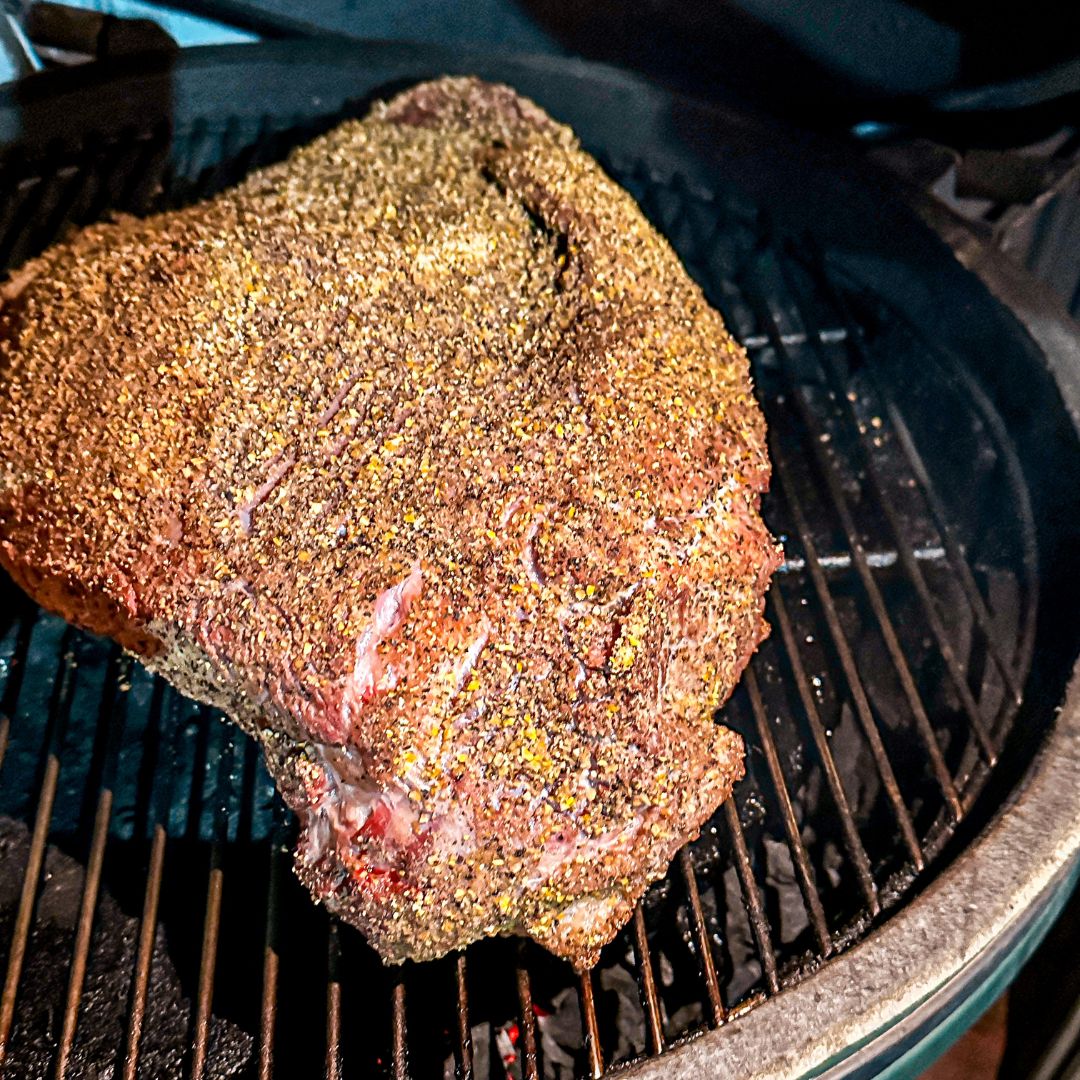
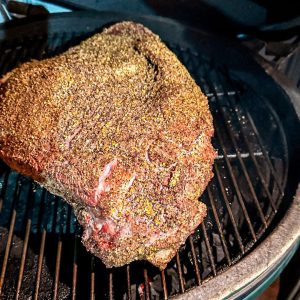
- Step 3: Smoking the Brisket – Place the brisket fat side up on the cooking grate. Close the lid and maintain a steady temperature. Use a water pan if desired for added moisture.
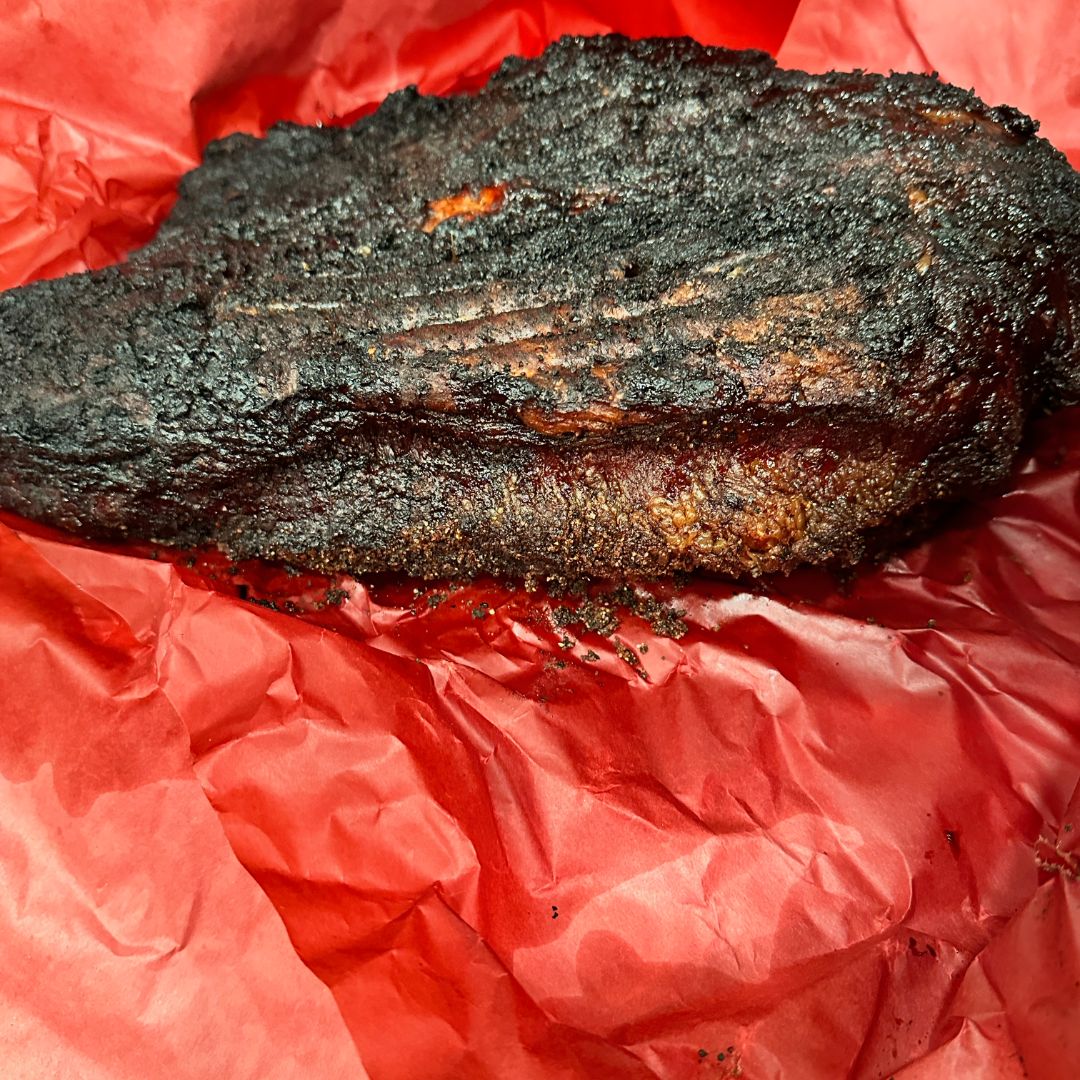
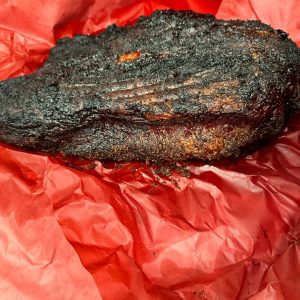
- Step 4: The Stall – As the brisket cooks, it will hit a temperature plateau known as “the stall,” usually around 160-170°F (71-77°C). This is due to evaporative cooling. Don’t panic! Wrap the brisket tightly in butcher paper to power through the stall.
Continue cooking until the brisket reaches an internal temperature of 200-205°F (93-96°C). This can take anywhere from 10 to 14 hours, or even longer, depending on the brisket’s size and your cooker.
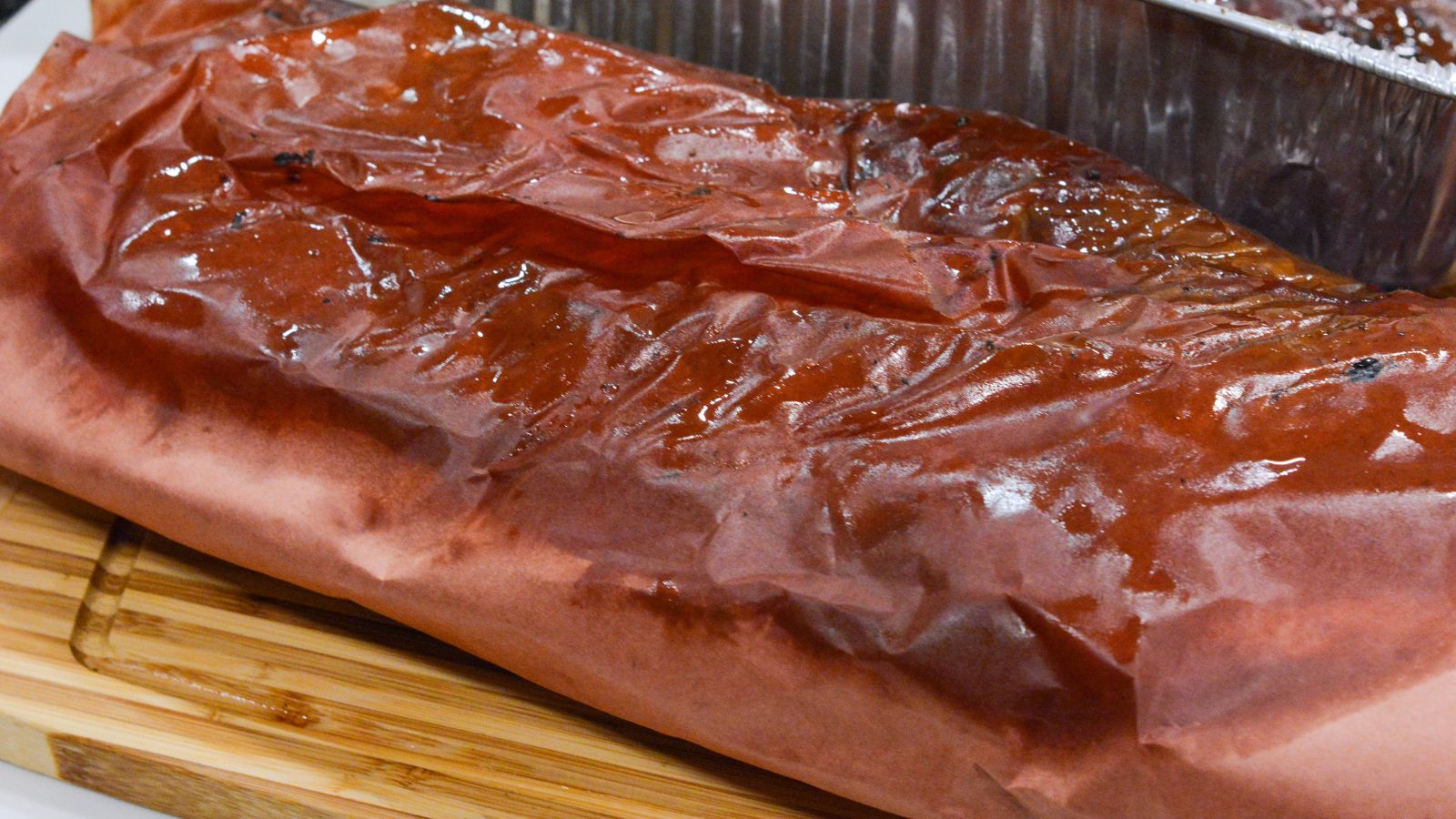
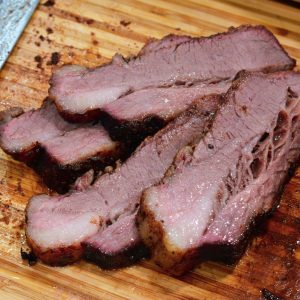
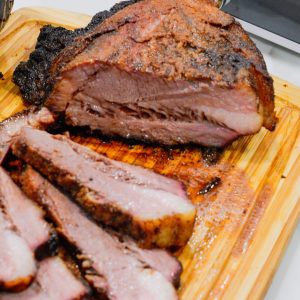
Once cooked, wrap the brisket in aluminum foil or place it in an aluminum pan. Place it in a cooler and let it rest for at least 1 hour. This allows the juices to redistribute, resulting in a more tender and flavorful brisket. Slice against the grain and serve with your favorite sides.
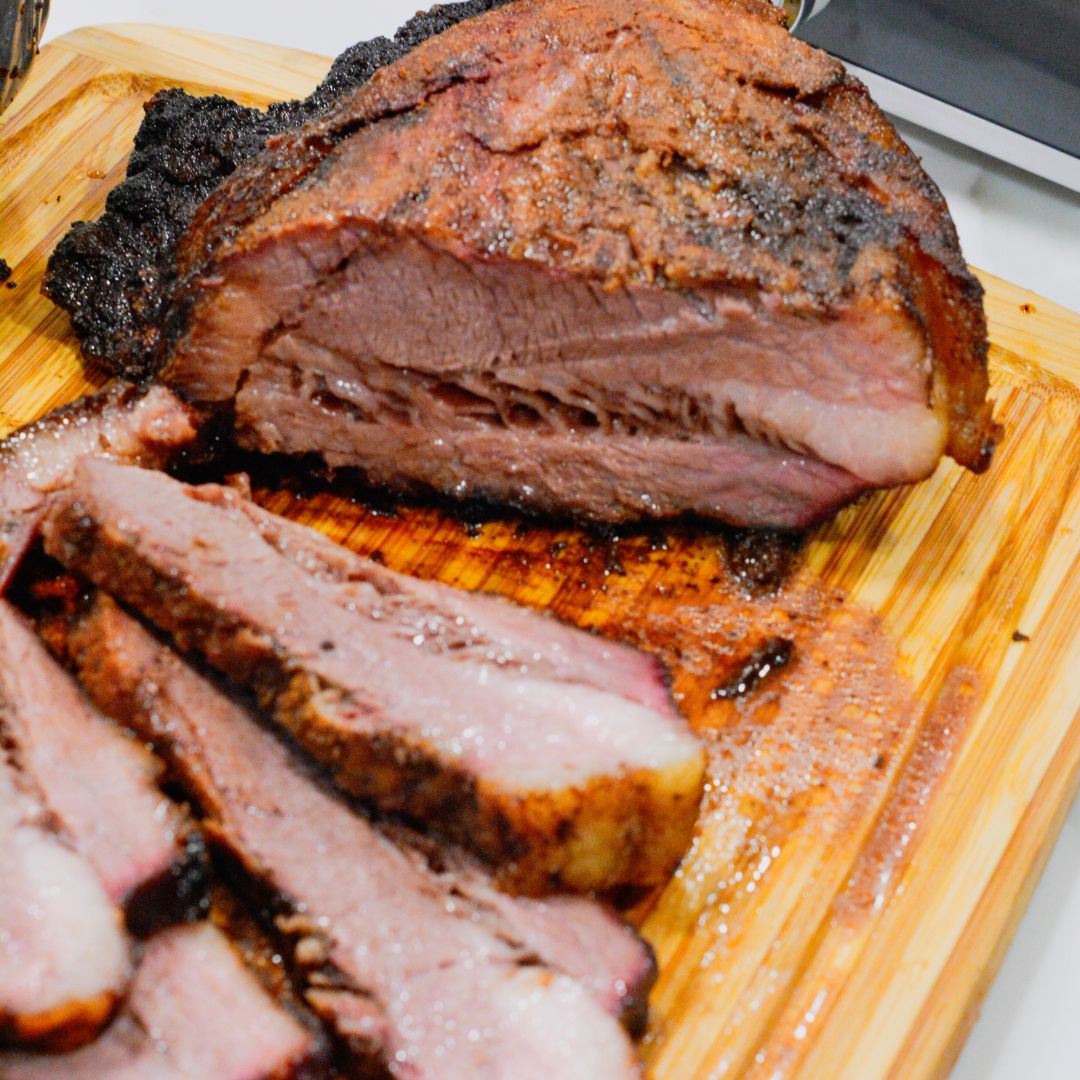
There’s nothing quite like a perfectly smoked brisket, especially when it’s cooked on a Big Green Egg. So fire up your Egg, gather your friends and family, and get ready for a BBQ experience that will have everyone singing your praises.
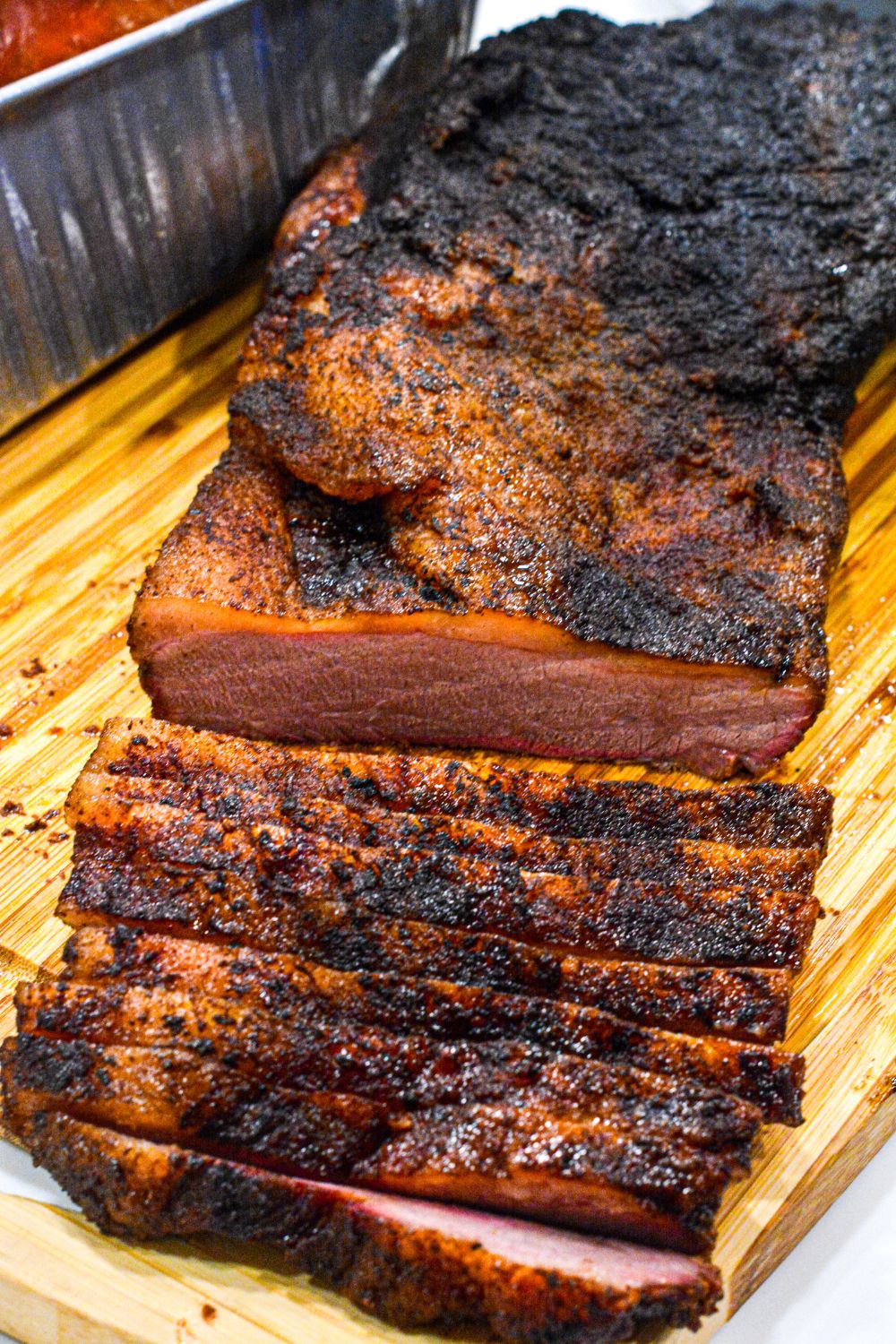
Hint: Don’t over-apply: While it’s important to season generously, avoid using too much rub, as it can create a salty crust.
Variations to Brisket Rub
While this simple rub is fantastic on its own, you can also customize it with your favorite herbs and spices. Here are a few ideas:
- Cayenne pepper: For those who like a little heat.
- Smoked paprika: Adds a smoky depth and a touch of color.
- Onion powder: Provides a sweet and savory note.
- Dried oregano: Adds an earthy, slightly bitter flavor.
See this pork seasoning for a pork rub!
Equipment for Smoking
Get all the tried and true smoking essentials from my Amazon storefront, which includes all my grilling and smoking must-have items, from tools to seasonings to pans.
Understanding Brisket Cuts: Point vs. Flat
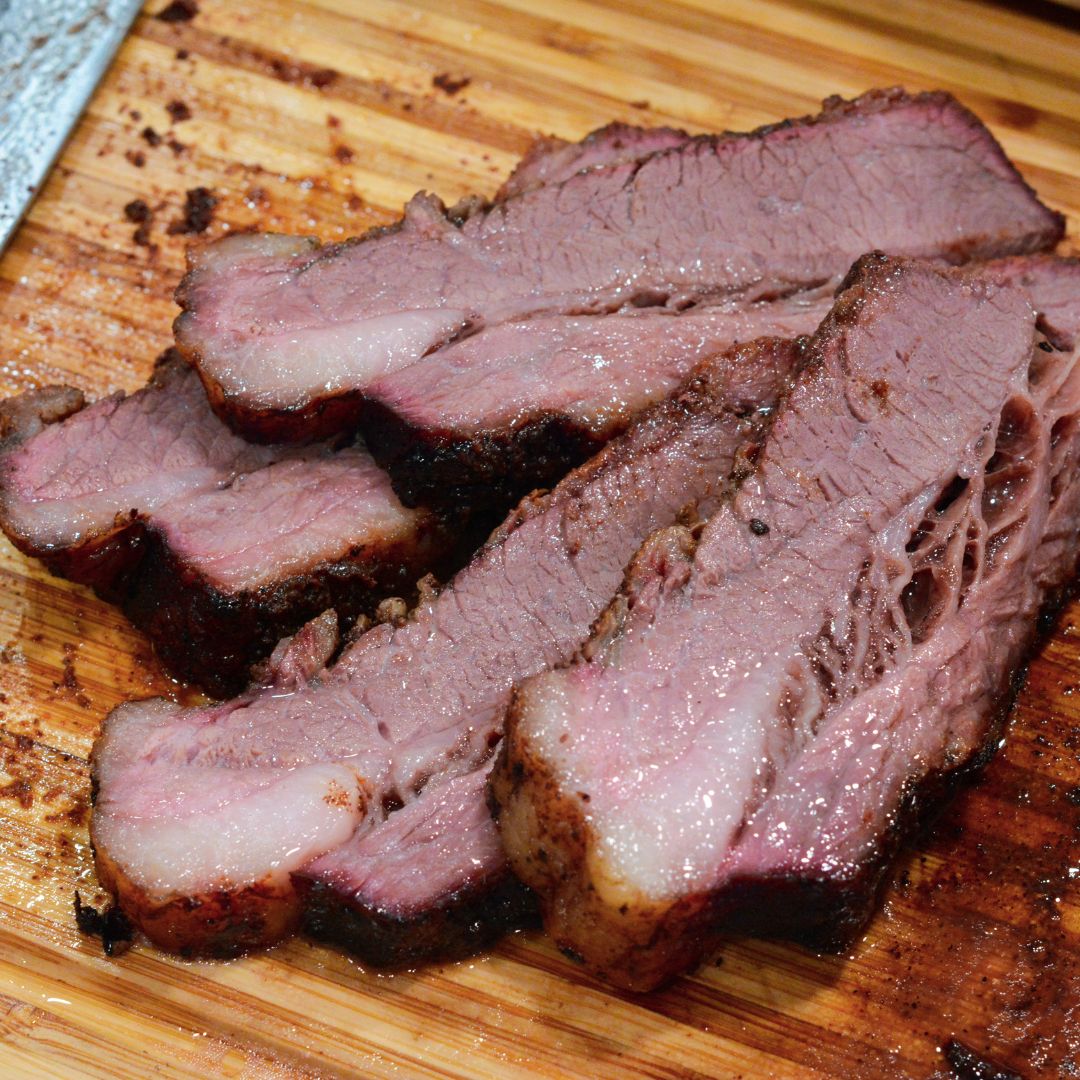
Before you buy your brisket, it helps to know what you’re working with. Beef brisket comes from the lower chest of the steer — a heavily worked muscle that takes time and low heat to break down properly. It’s made up of two distinct muscles separated by a fat seam:
- The flat is the long, rectangular, leaner section. It’s what most people picture when they think of sliced brisket — uniform thickness, tighter grain, and cleaner presentation. It’s also the section most likely to dry out if you rush the cook, which is why fat cap management and wrapping at the right time matter so much.
- The point (also called the deckle) sits on top of the flat and is thicker, fattier, and more marbled throughout. It stays moist almost no matter what you do to it, which is why burnt ends — cubed, re-sauced, and finished on the smoker — come from the point.
- What should you buy? I always recommend a whole packer brisket, which includes both muscles intact. For an 8–10 person meal, look for 12–14 lbs before trimming. The extra fat and connective tissue in the point help keep the entire brisket moist through the long cook, and you’ll end up with more varied textures and flavors on the cutting board. Buying just the flat is fine for a smaller crowd, but it’s less forgiving and you miss out on the richest part of the brisket.
- Look for USDA Choice or Prime grade with good intramuscular fat (marbling) throughout the flat, that’s your best indicator of a brisket that will stay moist all the way to slicing.
How to Know When Your Brisket Is Done
Temperature is your starting point, not your finish line.
When your brisket hits 200–205°F internal, start checking for probe tenderness. Slide your thermometer probe — or a wooden skewer — into the thickest part of the flat. If it goes in and comes back out with zero resistance, like pushing through a jar of peanut butter, your brisket is done. If you feel any tugging or the meat grabs at the probe, give it another 30–45 minutes and check again.
This matters more than the number on the thermometer. I’ve pulled briskets at 198°F that probed perfectly and waited on others that needed to hit 208°F before they were ready. Every brisket is different, and the probe doesn’t lie.
A few other signs you’re close:
- The flat jiggles slightly when you pick up the brisket with tongs — it’s lost its stiffness
- The bark has set to a deep mahogany color and doesn’t feel wet or tacky
- The point feels soft and yielding when you press on it through the paper
One common mistake: only probing the point. Because the point is fattier, it almost always feels tender before the flat does. Always probe the flat. It’s the harder muscle to get right, and it’s the one that tells you the truth.
Storage and Reheating Smoked Brisket
Storing Your Smoked Brisket:
Proper storage is crucial for maintaining the quality and flavor of your smoked brisket. Here’s how to do it right:
- Cool it down: Before storing, allow the brisket to cool to room temperature. This helps prevent condensation, which can make the meat soggy.
- Wrap it up: Wrap the brisket tightly in butcher paper or aluminum foil. This helps to retain moisture and prevent it from drying out.
- Refrigerate: Store the wrapped brisket in the refrigerator for up to 4 days.
- Freeze for longer storage: For longer storage, wrap the brisket tightly in plastic wrap and then in aluminum foil. Place it in a freezer-safe bag and freeze for up to 3 months.
Reheating Your Smoked Brisket:
Reheating brisket can be tricky, but with the right technique, you can enjoy it just as much as the day you smoked it. Here are a few methods:
1. Oven:
- Preheat: Preheat your oven to 250°F (121°C).
- Add moisture: Place the brisket in a baking dish and add a splash of beef broth or water to the bottom. This will help keep the meat moist.
- Cover and reheat: Cover the dish tightly with aluminum foil and reheat for about 30-45 minutes, or until heated through.
- Rest: Let the brisket rest for 10-15 minutes before slicing.
2. Smoker:
- Low and slow: Reheat your smoker to 225°F (107°C).
- Wrap and reheat: Wrap the brisket in butcher paper or aluminum foil and place it on the smoker for about 1-2 hours, or until heated through.
3. Sous Vide:
- Precise temperature control: If you have a sous vide machine, this is a great option for reheating brisket. Set the temperature to 140°F (60°C) and reheat the brisket for about 1-2 hours.
Important Notes:
- Avoid the microwave: Microwaving brisket can dry it out and make it tough.
- Slice against the grain: Always slice brisket against the grain for maximum tenderness.
- Add sauce: If desired, add your favorite barbecue sauce to the brisket before reheating or serving.
By following these simple storage and reheating instructions, you can enjoy your delicious smoked brisket for days to come!
Top Tips for Smoking a Brisket
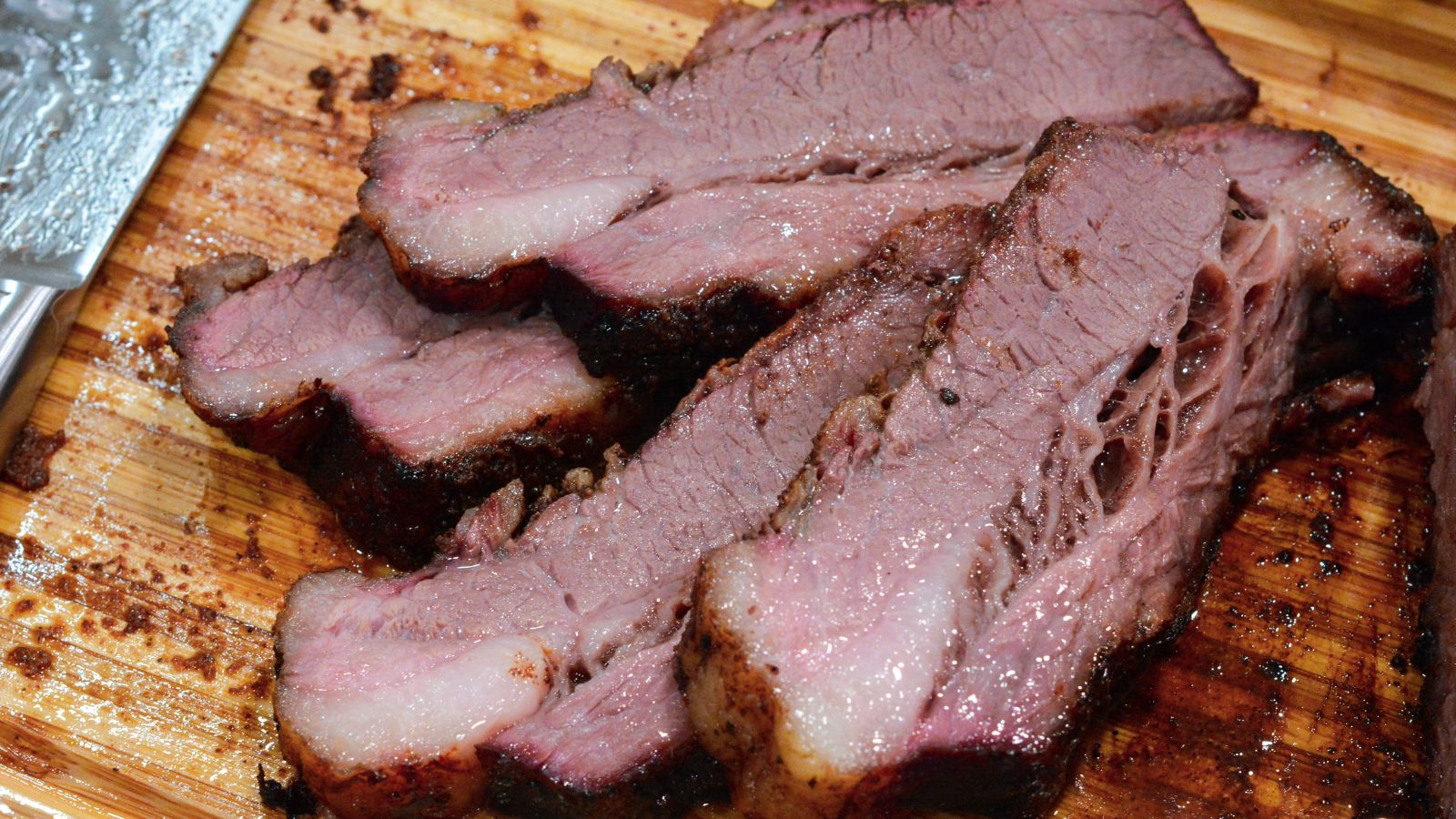
Smoking a brisket is a true test of BBQ prowess. But with the right knowledge and techniques, you can achieve brisket nirvana. Here are my top tips for smoking brisket on your Big Green Egg (or any smoker):
- Use a quality thermometer: Invest in a reliable meat thermometer with dual probes to monitor both the pit temperature and the internal temperature of the meat.
- Control your airflow: Mastering the BGE’s dampers is crucial for maintaining a consistent temperature.
- Don’t peek too often: Opening the lid frequently can cause temperature fluctuations and extend cooking time.
- Be patient: Smoking a brisket is a labor of love. Don’t rush the process.
- Practice makes perfect: The more you smoke brisket on your BGE, the better you’ll become at it.
FAQ
Smoking time depends on the size of your brisket and how well you maintain your smoker temperature. A smaller brisket (8–10 lbs) at 250°F typically takes 8–10 hours. A large whole packer (14–16 lbs) can easily run 12–16 hours. Always cook to internal temperature and probe tenderness — not the clock.
I target 250°F on the Big Green Egg for the entire cook. Some pitmasters run lower (225°F) for a longer cook, and more smoke absorption, and some run hotter (275°F) to push through the stall faster. For most backyard cooks, 250°F is the sweet spot, enough heat to render fat properly without drying out the flat.
I smoke fat side up. On a kamado-style cooker like the Big Green Egg, the heat comes from below, so the fat cap on top acts as a basting layer as it slowly renders. If you’re cooking on an offset smoker where heat comes from the side, fat side down creates more of a heat shield. Know your cooker.
Butcher paper is my go-to, and I think it makes a meaningful difference. Foil (the “Texas Crutch”) traps steam and can soften the bark you worked hard to build. Peach butcher paper lets the brisket breathe while still pushing through the stall — you get a firmer, better-textured bark with less of a steamed quality. That said, foil works perfectly fine and gets the job done faster. Use what you have.
See the full breakdown below — but the short version: the flat is lean, uniform, and great for sliced brisket. The point is fatty, rich, and what you use for burnt ends. Buy a whole packer so you get both.
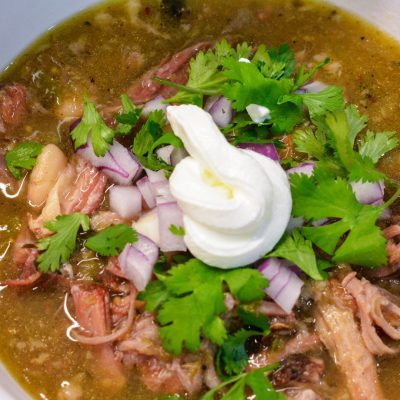
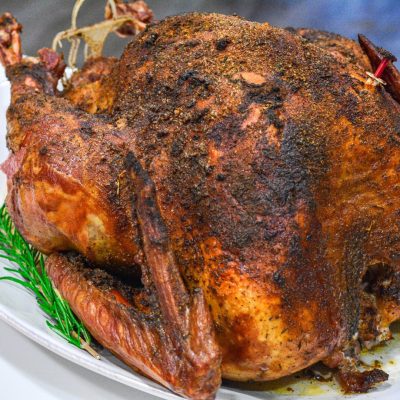
Smoked BBQ Recipes
Looking for other recipes like this? Try these:
Pairing with the Perfect Side Dishes
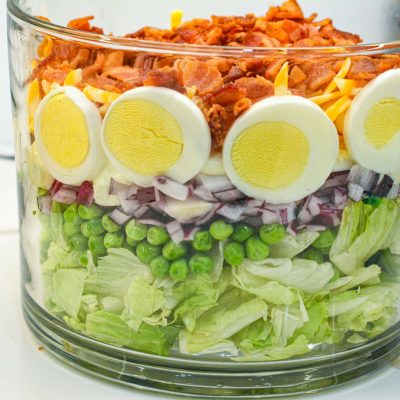
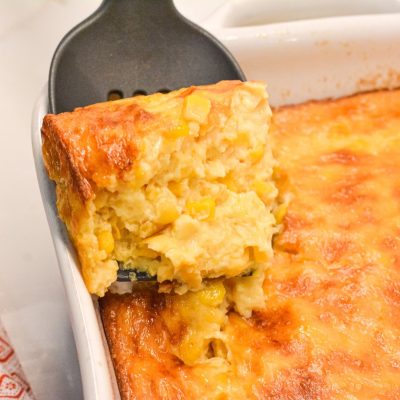
These are my favorite side dishes to serve with brisket:



Smoked Brisket Recipe
Ingredients
- 8-10 pounds beef brisket
- ½ cup sea salt
- ⅓ cup black pepper
- ⅓ cup garlic powder
- ⅓ cup onion powder

Instructions
- Mix the garlic powder, onion powder, salt, and pepper together.

- Trim excess fat, leaving about ¼ inch. This allows the smoke to penetrate and the fat to render, keeping the meat moist.
- Rub the beef brisket generously with the BBQ rub. Let the pork butt set for 30 minutes while you get the smoker up to heat.
- Set up your BGE for indirect cooking using the plate setter (legs up). Aim for a consistent temperature of 250°F (121°C). Add your chosen wood chunks to the charcoal for smoky flavor.
- Place the brisket fat side up on the cooking grate. Close the lid and maintain a steady temperature. Use a water pan if desired for added moisture.
- As the brisket cooks, it will hit a temperature plateau known as "the stall," usually around 160-170°F (71-77°C). This is due to evaporative cooling. Don't panic! Wrap the brisket tightly in butcher paper to power through the stall.
- Continue cooking until the brisket reaches an internal temperature of 200-205°F (93-96°C). This can take anywhere from 10 to 14 hours, or even longer, depending on the size of the brisket and your cooker.

- Once cooked, wrap the brisket in aluminum foil and let it rest for at least 1 hour. This allows the juices to redistribute, resulting in a more tender and flavorful brisket. Slice against the grain and serve with your favorite sides.
Notes
- Go for a whole packer: This includes both the point and the flat, offering a variety of textures and flavors.
- Look for marbling: The fat within the meat is essential for flavor and moisture. Don’t be afraid of a little fat!
- Remove the deckle: This thick layer of fat on the point can hinder smoke penetration.
- Trim excess fat: Leave about ¼ inch of fat to render and keep the meat moist.
- Use a quality rub: A simple blend of salt, pepper, and garlic powder works wonders, or get creative with your own blend.
- Apply evenly: Ensure the entire brisket is coated with the rub.
- Maintain a steady temperature: Aim for 250°F (121°C). Use a reliable thermometer to monitor both pit and meat temperature.
- Control airflow: Mastering the dampers is crucial for temperature stability.
- Use wood chunks: Hickory, oak, and mesquite are popular choices for brisket.
- Don’t panic: The stall is inevitable. Wrap the brisket in butcher paper to power through it.
- Don’t rely solely on time: Use a meat thermometer to check for tenderness. The brisket is done when it probes like butter, usually around 200-205°F (93-96°C).
- Rest for at least an hour: This allows the juices to redistribute for a more tender brisket.
- Slice against the grain: This ensures maximum tenderness.
- Use a water pan: This adds moisture to the cooking environment.
- Don’t peek too often: Opening the lid causes temperature fluctuations.
- Inject for extra flavor: Inject the brisket with beef broth or your favorite marinade for added moisture and flavor.
- Practice makes perfect: The more you smoke brisket, the better you’ll become.
Nutrition

- 24 Garden Produce Recipes and Preservation Ideas for Your Summer Harvest - August 15, 2026
- Fresh Cucumber Salsa Recipe (Creamy & Easy) - August 1, 2026
- Creamy Mexican Street Corn Salad Recipe - July 11, 2026